
Story
STORY
Why guitar?
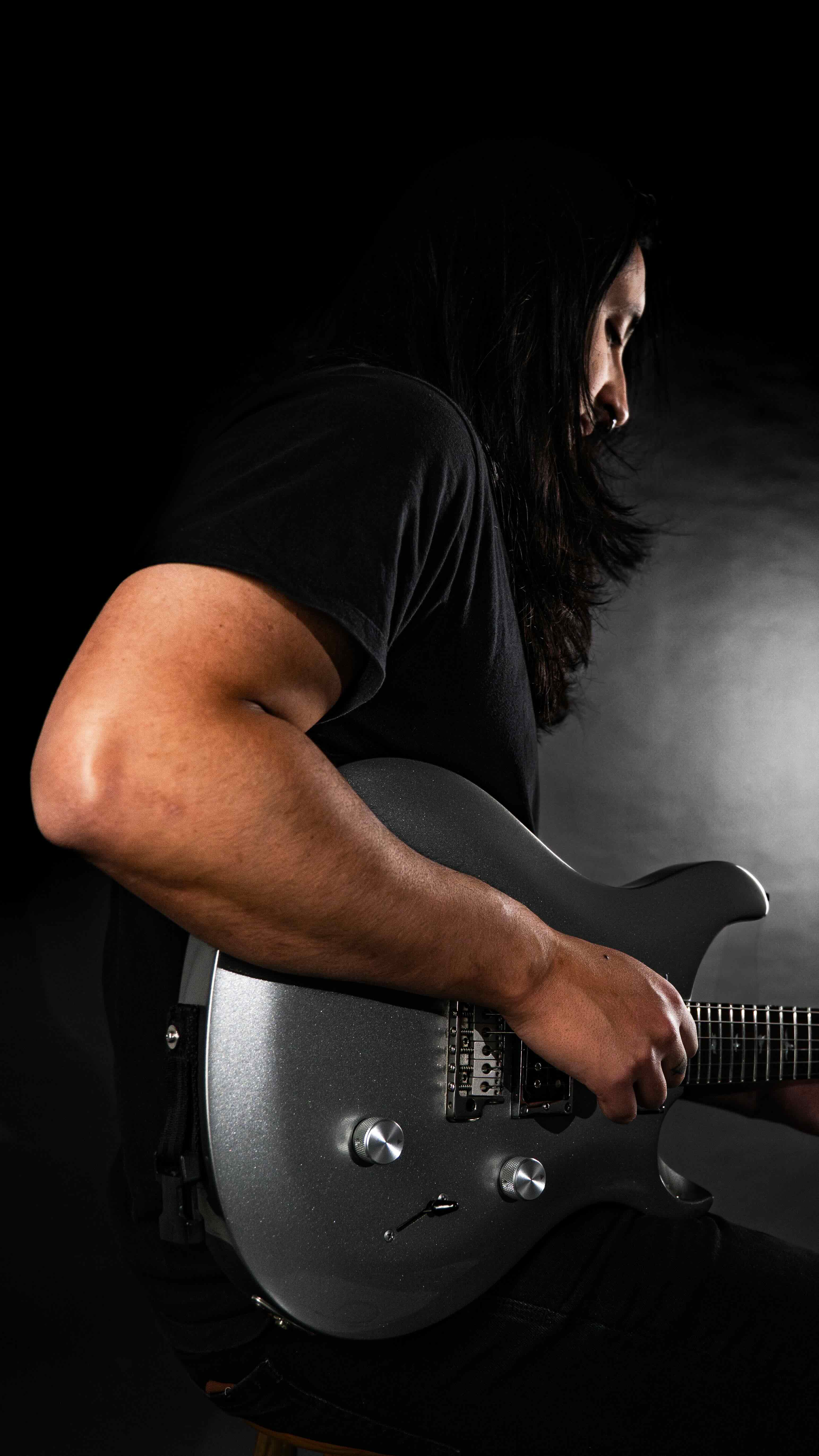
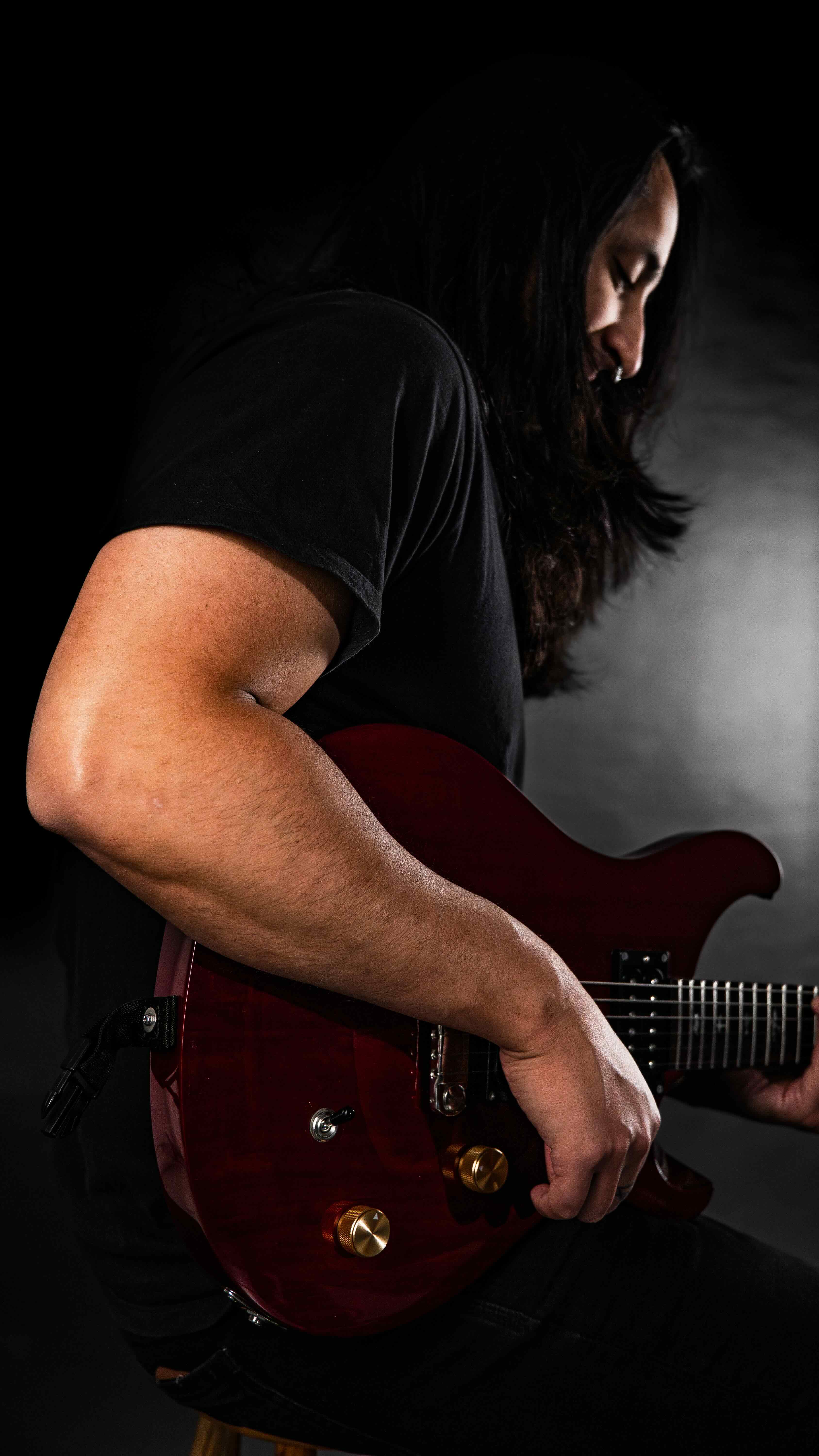
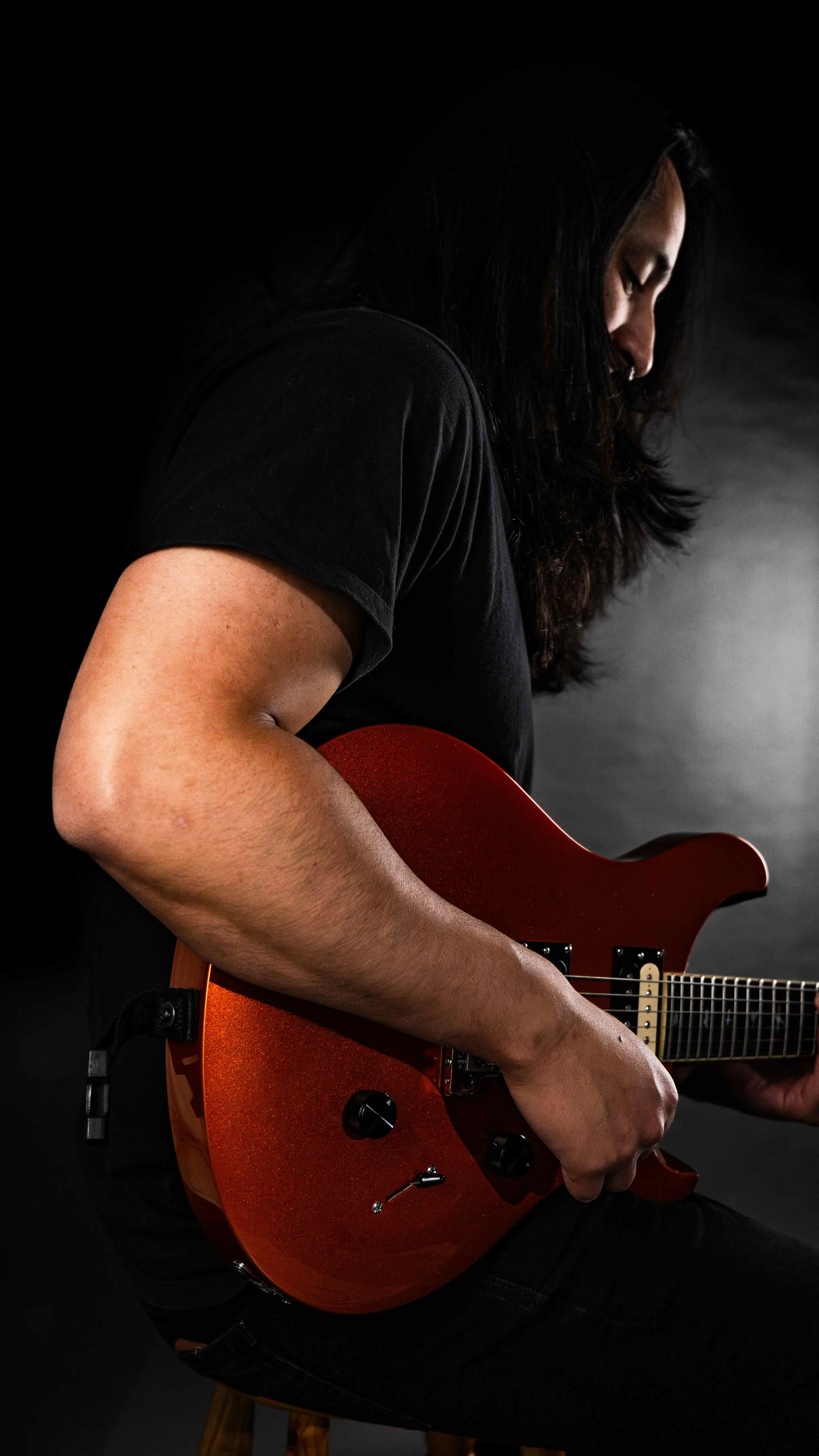
When I was two years old, I was given my first guitar. It was a toy, but I still have the picture of me holding it.
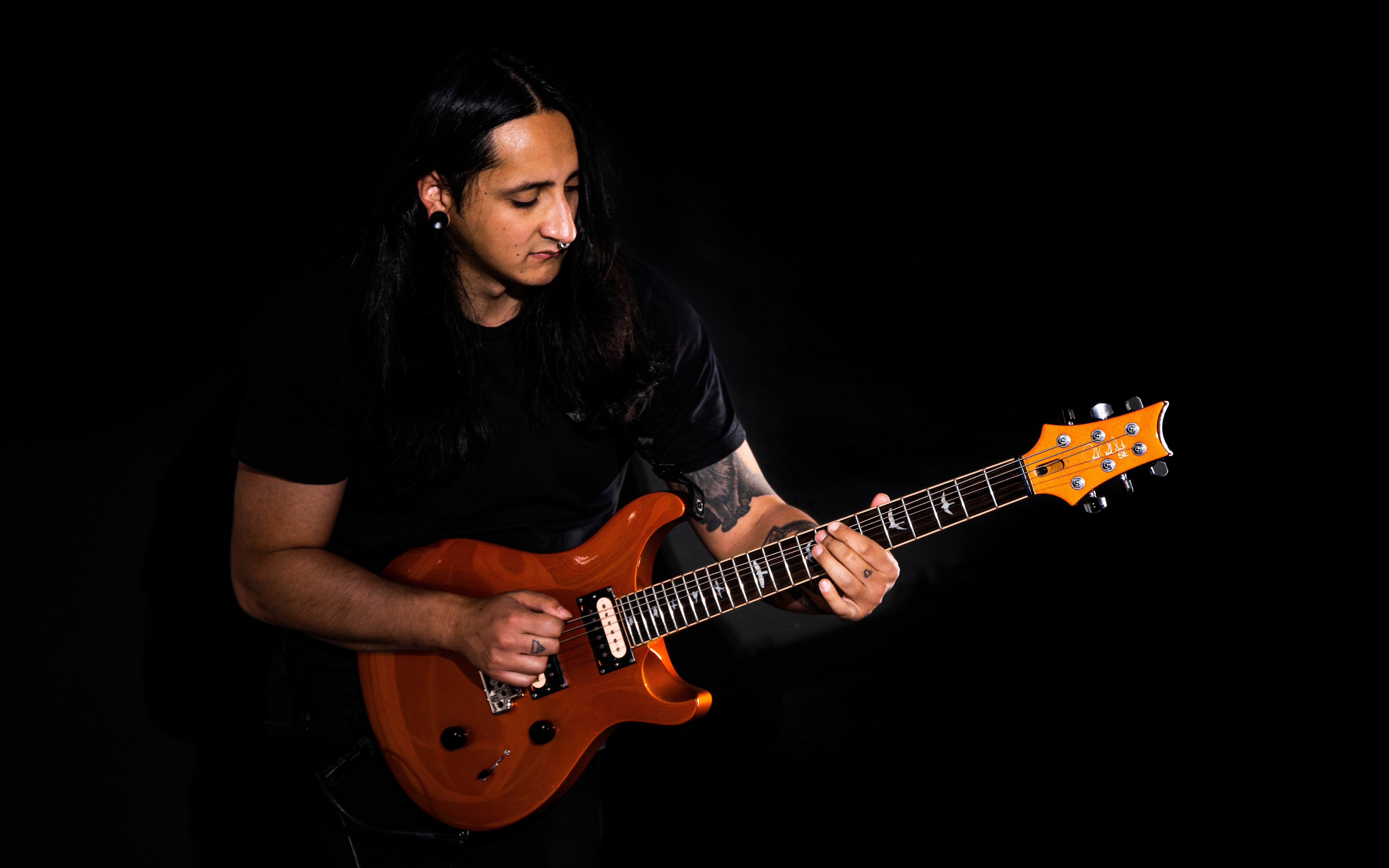
At six, my grandmother gave all of us guitars. I was the only one who stuck with it, and I quickly became obsessed with understanding the instrument. I started taking lessons, learning my first two chords: A and E.
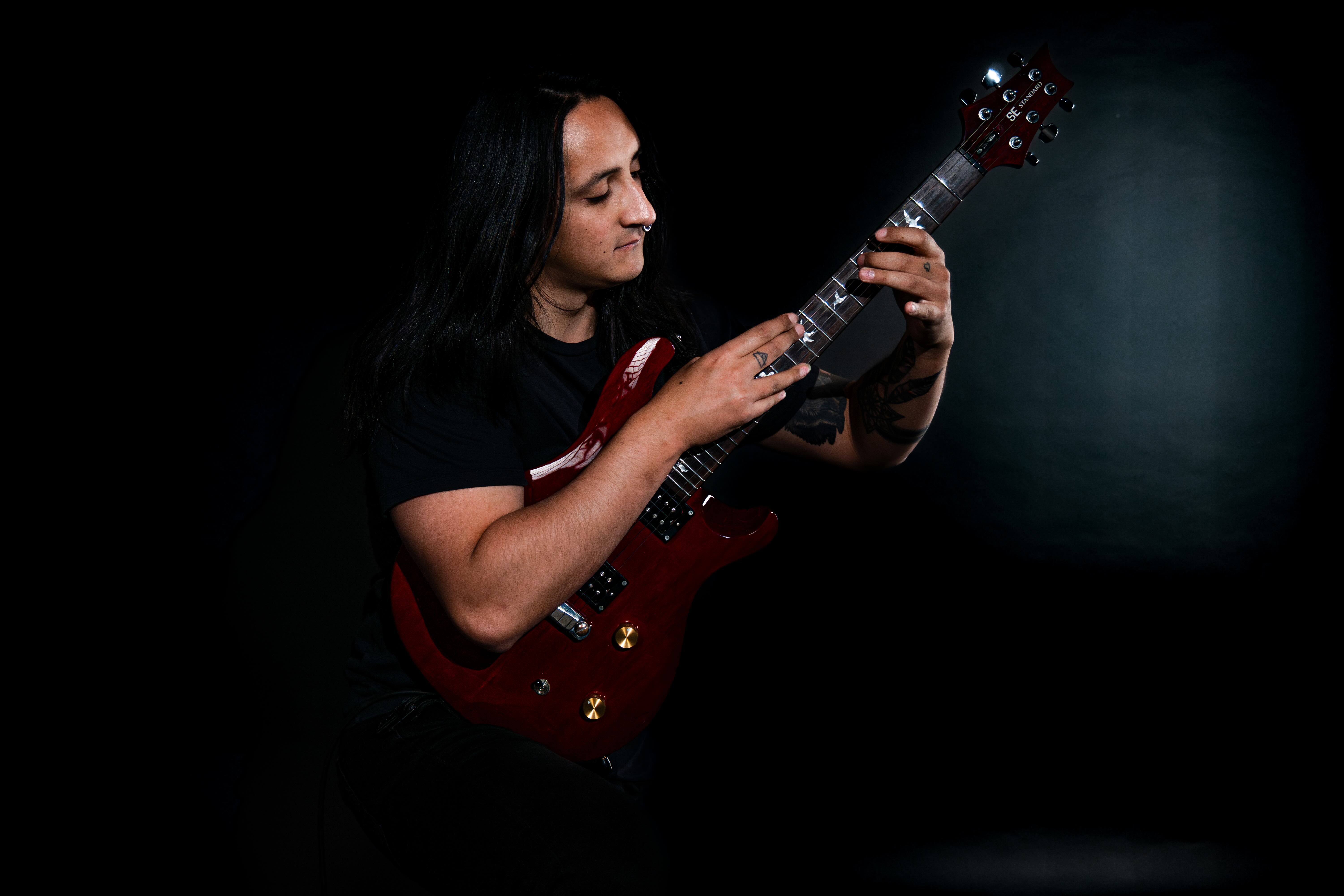
When I was ten, my dad gave me my first electric guitar. Something clicked immediately. I spent my days practicing scales, experimenting with tones, and scraping a pick across the strings with way too much gain just to annoy everyone at home.
As a shy kid, music gradually became a way for me to step outside myself. Around fourteen, I began developing my own style, experimenting with tunings and writing songs in Guitar Pro. I was drawn to guitarists who pushed the instrument beyond its expected boundaries, from Jade Puget to Matt Bellamy.
Over the years, other interests came and went, but I always found my way back to the guitar.
It became the one constant I could always return to — a place where I could disappear into my own world for a while, and where everything felt steady.
Why production?
It came naturally.
Around fourteen, I started making my own songs in Guitar Pro. I loved arranging music, choosing sounds, and figuring out how all the pieces could fit together.
When I was twenty-two, I bought my first audio interface, and my life changed. Suddenly I could materialize my ideas with real sounds instead of MIDI instruments.
I produced ØCEANÍA's first EP, and I still produce our music today. I've also had the opportunity to produce other artists locally.
For me, production is simply another extension of why I love guitar and music. It allows me to connect with other people, understand their ideas and emotions, and turn those ideas into something tangible.
It feels like a natural progression: from playing an instrument, to writing music, to shaping the entire experience around it.
Why PRS?
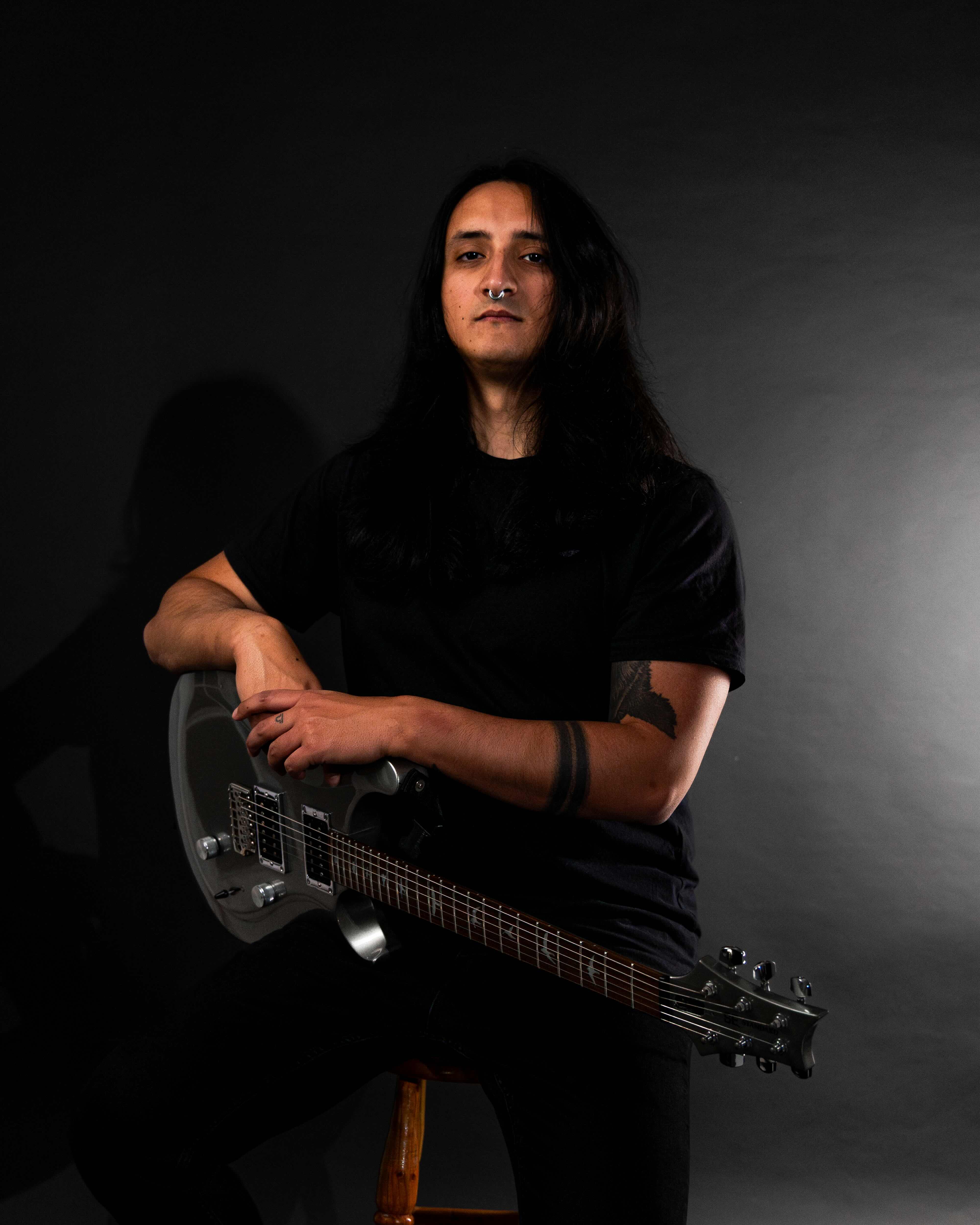
I believe PRS represents the balance I look for in an instrument: deep roots combined with a constant drive to innovate.
I've always been drawn to music that pushes boundaries while still understanding where it came from. PRS approaches the guitar in much the same way.
That makes it feel like the right instrument for me: something grounded in tradition, but capable of going somewhere completely new.
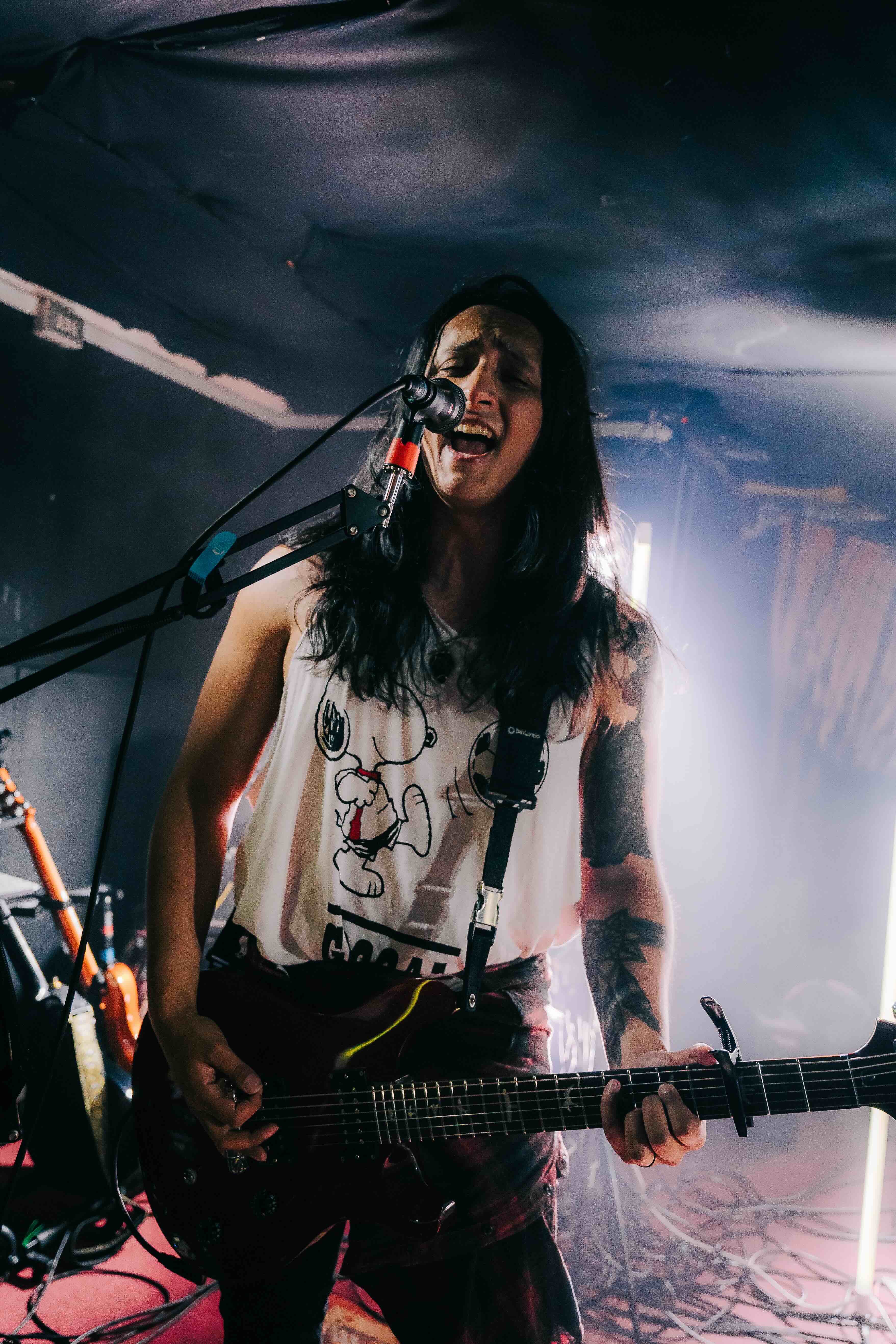
Most of my favorite contemporary artists play PRS, and when I play one, I don't find myself thinking about the instrument. I just play. It gives me the confidence to experiment without fighting the guitar.
PRS has always felt like an instrument for someone who wants to know their roots, but still wants to go to outer space.
That's me.